
Key takeaways
- Stand-up zipper pouches and multilayer laminates are best for snacks — reclosable, strong barrier and great shelf appeal.
- Spices and masalas need high moisture and aroma barriers, so silver foil or three-layer laminated pouches perform best.
- Tea and coffee require metallised or foil pouches (with valves for coffee) to preserve freshness and aroma.
- Match film structure and thickness to shelf-life needs — more layers mean more barrier but higher cost.
- Lock in food-grade certification, GSM/microns, pouch shape, print and MOQ before any bulk order to avoid costly reprints.
For food, spices and snacks, the best customised printed pouches are multilayer laminated stand-up pouches with zip locks for snacks, silver foil or three-layer laminates for moisture-sensitive spices, and high-barrier metallised pouches for tea and coffee. The right choice depends on product oiliness, aroma, shelf life and how the pack sits on shelf. Below we break down which pouch suits which product and the specs B2B buyers should lock in before ordering.
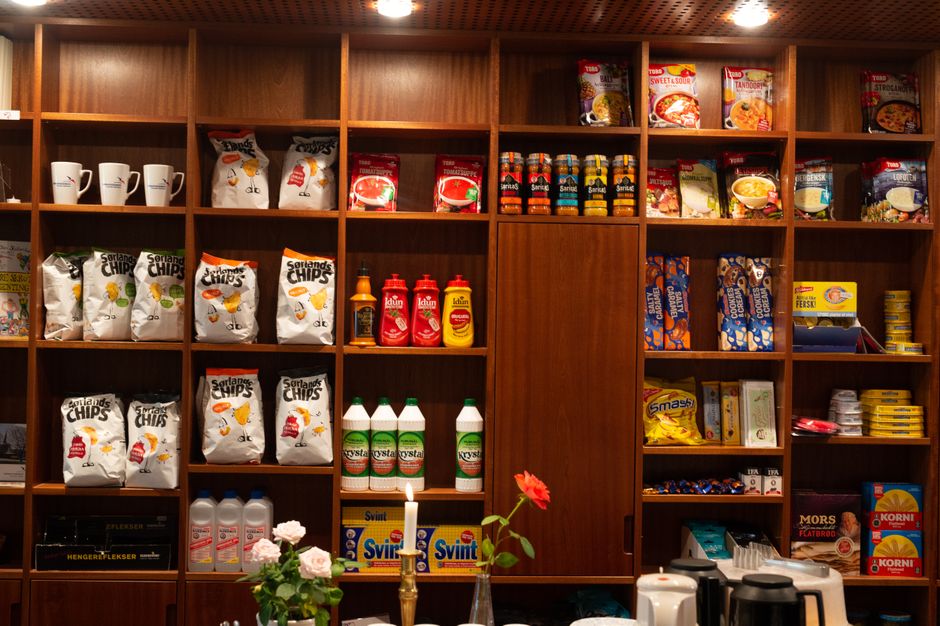
Why do food, spices and snacks each need different pouches?
Because each product fights a different enemy. Snacks battle oxygen and crushing, spices battle moisture and aroma loss, and oily fried foods battle grease migration. Matching the pouch structure to these risks protects shelf life, flavour and your brand’s shelf reputation.
A one-size-fits-all pouch usually over-spends on some products and under-protects others. Getting barrier and film thickness right is where cost-efficiency and product safety meet — which matters most when you buy in bulk.
What are the main barrier concerns?
- Moisture (WVTR): critical for spices, powders and namkeen that go soggy.
- Oxygen (OTR): critical for roasted snacks, nuts, coffee and tea that go rancid or stale.
- Aroma retention: essential for masalas, tea and dry fruits.
- Grease resistance: vital for fried and oily snacks.
- Light protection: needed for products that oxidise or fade.
What are the best pouch types for snacks?
For snacks, stand-up zipper pouches and multilayer laminated pouches perform best. They deliver strong oxygen and moisture barriers, reclosable convenience for chips and namkeen, and excellent shelf presence with full-surface printing. Metallised or foil layers extend shelf life for fried items.
Reclosability is a major selling point in retail snack packs. A PP stand-up zipper pouch lets customers open and reseal the pack, reducing spoilage and boosting repeat purchase. For larger family packs or export-grade protection, robust multilayer laminated pouches add extra barrier layers and puncture resistance.
Which snack needs which structure?
- Chips & wafers: metallised laminate to block light and oxygen; nitrogen-flush compatible.
- Namkeen & mixtures: stand-up zipper pouch for reclose and shelf appeal.
- Dry fruits & nuts: high-barrier foil or metallised laminate to prevent rancidity.
- Cookies & biscuits: stiffer three-layer laminate to resist crushing.
What are the best pouches for spices and masalas?
Spices need a strong moisture and aroma barrier, so silver foil pouches and three-layer laminated pouches are the top choices. They lock in fragrance, block light and prevent caking, while gusseted or stand-up formats display well on retail shelves and stack efficiently in transit.
For pure spice powders and blends, purpose-built spices packaging bags are engineered to keep masalas dry and potent. When you want a premium, high-barrier feel with a bright metallic finish, a silver foil pouch offers the best aroma retention for whole spices and expensive blends.
Which pouch format suits spice pack sizes?
| Pack size | Recommended format | Why |
|---|---|---|
| 10–50 g sachets | Three-side seal / centre-seal | Low cost, high volume |
| 100–500 g | Stand-up pouch with zip | Reclose + shelf appeal |
| 1 kg+ (bulk/HoReCa) | Gusseted or foil pouch | Strength + barrier |
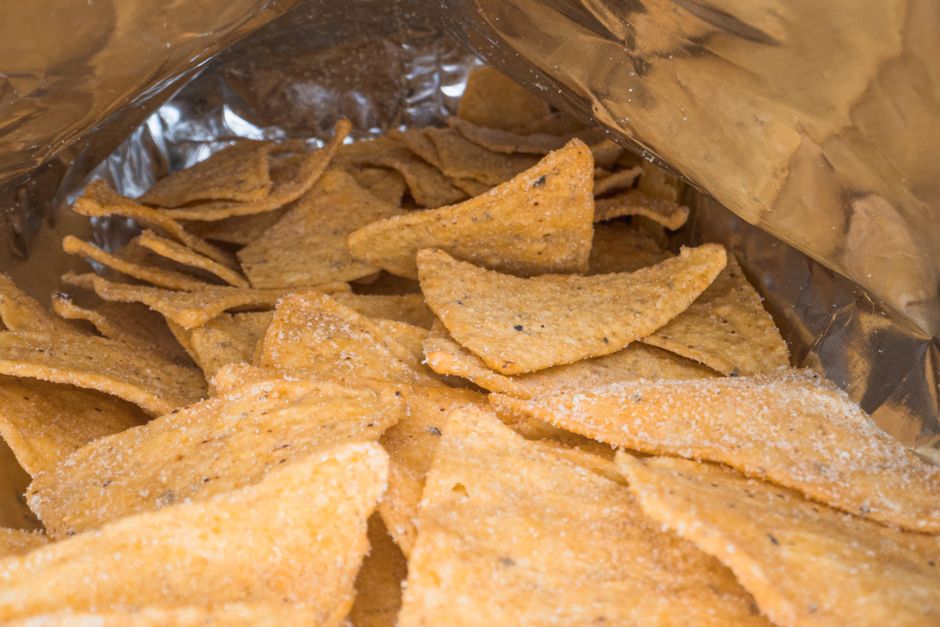
What pouches work best for tea, coffee and beverages?
Tea and coffee demand a high oxygen and aroma barrier because they stale and lose fragrance fast. Metallised or foil-laminated stand-up pouches with zippers or degassing valves (for coffee) are ideal — preserving freshness while giving a premium retail look.
For loose leaf and blended teas, a dedicated tea packaging pouch balances barrier and cost, while economical single-serve options like the printed LD tea bag suit high-volume, budget-focused runs.
Which pouch materials and structures should B2B buyers know?
The most common food-grade structures are single-layer LD/PP, two-layer and three-layer laminates, metallised laminates and foil laminates. As you add layers you gain barrier, strength and print quality — but also cost, so match the structure to the product’s real shelf-life needs.
- Single layer (LD/PP): low cost, low barrier — dry, fast-moving items.
- Two-layer laminate: better print and strength for medium shelf life. See our two layer laminated pouch.
- Three-layer / multilayer: strong moisture + oxygen barrier for spices, snacks and long shelf life.
- Metallised / foil: highest barrier for coffee, dry fruits, premium spices.
- Polyester laminate: glossy, durable, high-clarity print — great for premium brands via a polyester lamination pouch.
How do the common structures compare?
| Structure | Barrier | Best for | Relative cost |
|---|---|---|---|
| Single layer | Low | Dry, fast-selling snacks | ₹ |
| Two-layer laminate | Medium | Biscuits, mid shelf-life | ₹₹ |
| Three/multilayer | High | Spices, namkeen, nuts | ₹₹₹ |
| Metallised/foil | Very high | Coffee, tea, dry fruits | ₹₹₹₹ |
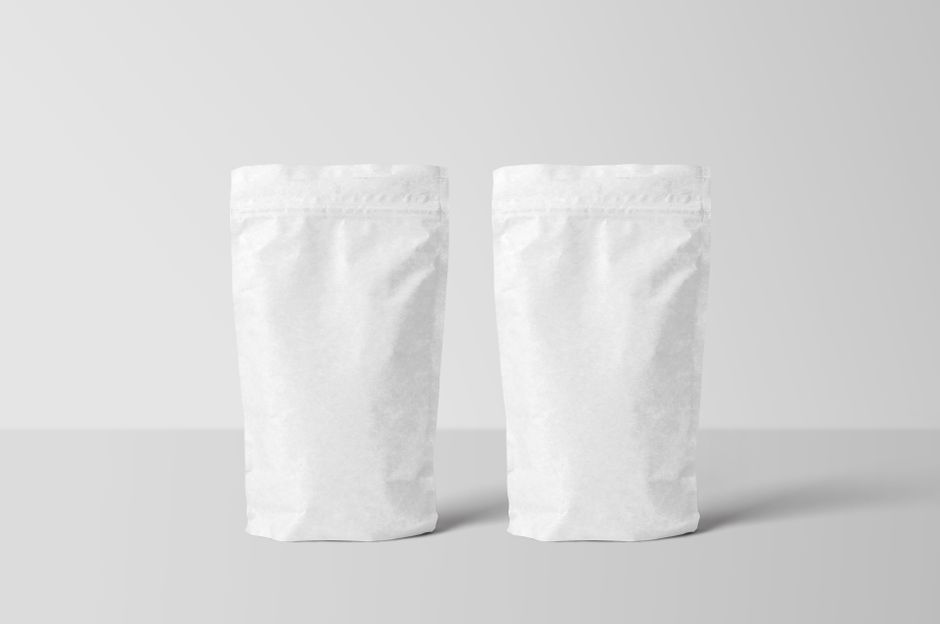
Stand-up, flat or gusseted — which pouch shape is best?
Choose stand-up pouches for retail shelf visibility and reclosability, flat three-side seal for low-cost sachets and single servings, and gusseted pouches for bulk or heavier fills. Shape affects shelf presence, filling-line compatibility and cost per pack.
- Stand-up pouch: premium look, stands on shelf, ideal with zip.
- Flat/three-side seal: cheapest per unit, best for high-volume sachets.
- Gusseted pouch: more volume for bulk spices, tea and snacks.
- Centre-seal (pillow): economical for chips and wafers on FFS lines.
What specs should buyers confirm before a bulk order?
Before placing a bulk order, lock in film structure, thickness (microns/GSM), barrier grade, pouch dimensions, sealing type, print colours and food-grade certification. Clear specs prevent costly reprints and ensure the pouch runs smoothly on your packing line.
- Food-grade compliance: ask for FSSAI-suitable, food-safe laminates.
- Thickness & GSM: match to product weight and drop-test needs.
- Printing: rotogravure for large runs, digital for smaller batches; confirm colour count.
- Features: zippers, tear notches, valves, hang holes, euro slots.
- MOQ, lead time & pricing slabs: essential for planning inventory.
Tip: Standardise a few pouch sizes across your SKUs. It lowers tooling costs, simplifies reorders and improves pricing on repeat bulk runs.
Do you also need pouches for seeds or non-food dry goods?
Yes — the same laminate technology extends to agri and dry-goods packing. A seeds packaging pouch uses similar moisture-barrier structures, so buyers sourcing multiple product lines can often consolidate orders and negotiate better rates.
Conclusion
The best customised printed pouches for food, spices and snacks come down to matching barrier and structure to the product: stand-up zipper pouches for snacks, silver foil and three-layer laminates for spices, and metallised or foil pouches for tea and coffee. Get the specs right and you protect flavour, extend shelf life and strengthen your brand — while keeping cost per pack efficient in bulk.
Ready to spec and price your run? Contact our packaging team for tailored recommendations, samples and competitive bulk quotes on customised printed pouches for your food, spice and snack lines.
Frequently Asked Questions
Which pouch is best for oily and fried snacks?
Use a metallised or three-layer laminated pouch with good grease resistance and an oxygen barrier. These prevent oil migration and rancidity, keeping fried snacks fresh and crisp for longer.
Are printed laminated pouches food-safe?
Yes, when made with food-grade laminates and food-safe inks. Always request FSSAI-suitable, food-contact-approved material and confirm the ink is used only on the outer layer, not in contact with the product.
What is the typical minimum order quantity for customised printed pouches?
MOQs vary by pouch type and print process, generally starting from a few thousand pieces for rotogravure-printed pouches. Digital printing allows smaller batches. Share your sizes and quantities for exact figures.
Should I choose stand-up or flat pouches for spices?
Stand-up pouches suit 100 g to 1 kg retail packs where shelf presence and reclosability matter. Flat three-side-seal sachets are more economical for small 10–50 g portions and high-volume runs.
How do I keep pouch costs low without sacrificing protection?
Standardise a few pouch sizes across SKUs, match the barrier layer only to what each product truly needs, and order in larger consolidated batches to access better pricing slabs.
Can the same pouch design cover multiple products?
You can standardise size and structure across similar products, but printing and barrier should suit each item. Consolidating orders across product lines often improves your overall bulk pricing.
1. Photo by Rene Terp on Pexels
2. Photo by Tima Miroshnichenko on Pexels
3. Photo by Mr. Mockup on Pexels