
Key takeaways
- Bag size = product dimensions plus ease and seal allowance; add 5-10% tolerance so products load and seal cleanly.
- GSM measures film weight per square metre; for plastics, GSM = micron × material density (LDPE ~0.92, PP/BOPP ~0.905).
- Match GSM to product weight and handling: 30-50 micron for light retail, 100-150 micron for heavy or sharp goods.
- Estimate cost by multiplying total film area by GSM to get grams per bag, then scale by order quantity.
- Always request a costed sample run at two or three GSM options and specify size and GSM tolerances before bulk ordering.
To calculate bag size and GSM, measure your product’s length, width and height, add a small tolerance for easy filling and sealing, then match the film’s grams-per-square-metre (GSM) to the product weight and handling stress. A larger, heavier or sharper product needs a bigger bag and higher GSM; a light retail item needs a snug, low-GSM bag. Getting both right controls cost, protects the product, and improves your packaging line efficiency.
This guide breaks down the exact measurements, formulas and specifications B2B buyers need before placing a bulk order, so you never over-spend on film or under-protect your goods.
What does bag size actually mean?
Bag size refers to the finished usable dimensions of the bag, usually written as width x length (and sometimes gusset). For a flat bag it is the opening width by the bag height. For a gusseted or stand-up bag, you also account for the side or bottom fold that gives it depth.
Manufacturers typically quote size in inches, centimetres or millimetres. Always confirm whether the quoted figure is the flat lay width or the open (filled) width, because the difference affects how well your product fits.
Which dimensions do I need to measure?
Measure the product in its packed state, not loose. Note these three values:
- Length – the longest side of the product.
- Width – the second-longest side.
- Height / thickness – how deep or bulky the product is.
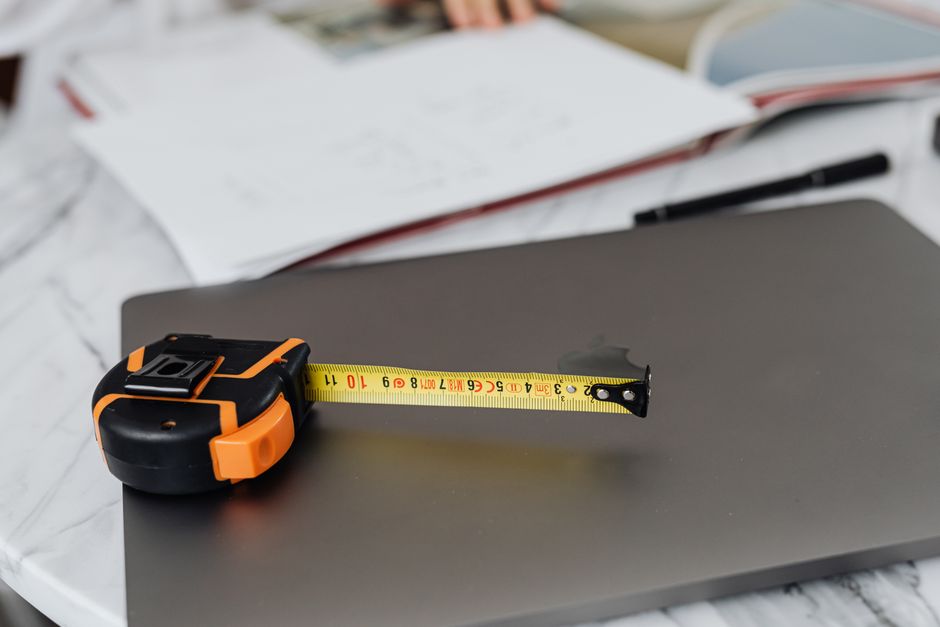
Measure with a rigid tape and record the maximum points, including any protrusions. For soft or compressible goods like garments or grains, measure after the product settles into its natural packed shape.
How do you calculate the correct bag size?
For a simple flat bag, the width should equal the product width plus half its thickness, and the length should equal the product length plus the thickness plus room for sealing. A common working formula is below. Always add a 5-10% tolerance so the product loads easily on an automated or manual line.
- Bag width = product width + (product thickness ÷ 2) + 1 to 2 cm ease
- Bag length = product length + product thickness + 3 to 5 cm for the seal and top space
For gusseted bags, add the full product thickness into the gusset rather than the width. For stand-up pouches, factor in the bottom gusset height so the pack stands upright when filled.
Quick example: A book that is 20 cm long, 14 cm wide and 3 cm thick needs a bag roughly 16 cm wide (14 + 1.5 + 0.5) and 25 cm long (20 + 3 + 2). Round up to standard sizes to keep tooling costs down.
Should I round up to standard sizes?
Yes, wherever possible. Standard sizes reduce lead time and cost because manufacturers already stock the tooling. Custom sizes are worth it only for high-volume runs or unusual shapes. If you order transparent LDPE or PP bags in bulk, discuss standard vs custom dimensions early to balance fit against price.
What is GSM and why does it matter?
GSM (grams per square metre) is the weight of the film or fabric per square metre of area. It is the industry’s shorthand for how much material and, indirectly, how much strength and durability a bag has. A higher GSM generally means a thicker, tougher bag that resists tearing, punctures and load stress.
For flexible plastics, buyers also talk in microns (thickness) and gauge. GSM and micron are related but not identical, because different resins have different densities. GSM is especially common for woven and non-woven bags, while micron is common for LDPE and stretch films.
How do you calculate GSM for a plastic bag?
For a plastic film, GSM can be derived from thickness and material density using this relationship:
GSM = micron × density (where density for LDPE is ~0.92, PP ~0.905, BOPP ~0.905)
So a 50-micron LDPE film is roughly 46 GSM (50 × 0.92). To check GSM physically, cut a 1 metre x 1 metre sample, weigh it in grams, and that weight is the GSM. For a smaller sample, weigh it and scale up to one square metre.
How do I convert GSM to bag weight for costing?
Bag weight drives your material cost per unit. Use this simple flow:
- Calculate total film area: 2 × (bag width × bag length) for a flat two-sided bag, in square metres.
- Multiply area by GSM to get grams per bag.
- Multiply grams per bag by your order quantity to estimate total kilograms of material.
Since bulk plastic packaging is priced by weight, this lets you compare quotes accurately and spot where a small GSM reduction saves significant cost across a large run.

What GSM or thickness should different products use?
The right GSM depends on product weight, edges, and how the bag is handled in transit. Use the table below as a practical starting point, then validate with samples.
| Product type | Suggested thickness | Approx. GSM (LDPE) |
|---|---|---|
| Light retail items, garments | 30-50 micron | 28-46 |
| Grocery, spices, tea pouches | 50-80 micron | 46-74 |
| Heavy grains, chemicals, liner bags | 100-150 micron | 92-138 |
| PP woven sacks (cement, feed) | — | 70-120 GSM |
| Stand-up pouches (laminated) | Multi-layer 80-140 micron | Varies by structure |
For sharp or heavy contents, step up the GSM rather than risk failures during palletising. For lightweight products, a lower GSM protects margins on large volumes.
Which material suits my product?
Match the material to the application before finalising GSM:
- LDPE – flexible, clear, good for liners and general packing. Consider transparent LDPE bags for visible-content packing.
- PP – crisp, glossy clarity for retail. See transparent PP bags for display-friendly packs.
- BOPP – high gloss and print quality; transparent BOPP bags suit branded FMCG.
- Laminated pouches – barrier protection for food and moisture-sensitive goods, such as multilayer laminated pouches.
- Heavy-duty liners – for bulk drums and boxes, a transparent LDPE liner bag in higher GSM holds heavier loads.

How do bag size and GSM affect cost and efficiency?
Oversized bags waste film on every unit, while under-sized bags jam machines and cause rejects. Excess GSM inflates cost without adding real protection, and insufficient GSM leads to leaks, tears and returns. The sweet spot is the smallest bag and lowest GSM that reliably protects the product through your full supply chain.
For B2B buyers, request a costed sample run at two or three GSM options before committing to a large order. This confirms fit, sealing performance and drop-test durability, and gives you hard numbers to negotiate on price and delivery.
What tolerances should I specify to a supplier?
Spell out these in your purchase specification to avoid disputes:
- Size tolerance – usually ±2-3 mm on width and length.
- GSM / thickness tolerance – often ±5-10%.
- Seal strength and gusset depth where relevant.
- Print, colour and finish for branded packs.
Clear tolerances protect both sides and keep repeat orders consistent batch to batch.
Conclusion
Calculating bag size and GSM comes down to measuring the product accurately, adding sensible ease and seal allowance, then matching GSM to the weight and handling the pack will face. Test with samples, round to standard sizes where you can, and specify clear tolerances so every bulk order fits and protects your product at the lowest workable cost.
Need help translating your product specs into the right bag size, GSM and material? Contact our packaging team for a custom quote and we’ll recommend the most cost-efficient specification for your bulk order.
Frequently Asked Questions
What is the difference between GSM and micron?
Micron measures a film’s thickness, while GSM measures its weight per square metre. They are linked by material density, so GSM = micron × density (about 0.92 for LDPE).
How much extra size should I add for the seal and gusset?
Add roughly 3-5 cm to the length for the seal and top space, and add the full product thickness into the gusset for gusseted or stand-up bags.
Higher GSM is always better, right?
No. Higher GSM adds cost and material. Use only enough GSM to protect the product through handling and transit; excess weight simply inflates your unit price.
How do I estimate the material cost per bag?
Calculate the total film area (2 × width × length for a flat bag), multiply by GSM to get grams per bag, then multiply by your order quantity to estimate total kilograms and cost.
Should I choose a custom size or a standard size for bulk orders?
Standard sizes are cheaper and faster because tooling already exists. Custom sizes make sense only for high volumes or unusual product shapes where a snug fit saves material.
What tolerances should I specify to my supplier?
Typically ±2-3 mm on size and ±5-10% on GSM or thickness, plus seal strength, gusset depth and print requirements to keep batches consistent.
1. Photo by Alinson Torres on Pexels
2. Photo by https://kaboompics.com/ on Pexels
3. Photo by Michael Orshan on Pexels
4. Photo by MART PRODUCTION on Pexels