
Key takeaways
- Effective pharma packaging is layered: tamper-evident seals, moisture-proof liners or pouches, cushioning, and a secured, strapped outer load.
- Use high-barrier films (LDPE, PP or laminated pouches) plus desiccants to control moisture; match film thickness in microns to product sensitivity.
- Tamper-evident tapes, induction liners and shrink bands prove a pack was not opened, protecting patient safety and compliance.
- B2B buyers should prioritise pharma-grade materials, customization, consistent batch quality and MOQ over unit price alone.
- Stabilise palletised consignments with stretch film and PP box straps to prevent shifting, dust, moisture and pilferage in transit.
To package and ship pharma products safely, use tamper-evident pharma packaging with visible seals, combine it with moisture-proof barrier liners and desiccants, and stabilise the outer load with strapping and cushioning. This protects drug integrity, proves the product was untampered, and keeps humidity-sensitive formulations stable in transit.

For B2B buyers in pharma, packaging is not just protection — it is compliance, brand trust, and cost control rolled into one. Below is a practical, procurement-focused guide to choosing the right materials, seals and specs for bulk pharmaceutical shipping.
Why does pharma packaging need to be tamper-evident and moisture-proof?
Pharma packaging must be tamper-evident to prove a product hasn’t been opened or contaminated, and moisture-proof because humidity degrades tablets, capsules and powders. Together they protect patient safety, meet regulatory requirements, and prevent costly recalls or rejected consignments.
Pharmaceutical products are unusually sensitive. A small amount of moisture ingress can trigger hydrolysis, caking or potency loss, while a broken seal raises immediate safety and legal concerns. For distributors moving large volumes, even a low defect rate multiplies into serious losses.
Rule of thumb: every pharma shipment should answer three questions — Is it sealed? Is it dry? Is it stable in transit?
What are the best tamper-evident packaging options for pharma?
The best tamper-evident options include induction-sealed liners, breakaway/perforated seals, security tapes that show a void message when peeled, and shrink bands. Choose based on the primary container and the level of proof your supply chain and regulators require.
- Tamper-evident tapes: Printed or void-message tapes that clearly show if a carton has been opened. Durable BOPP self-adhesive tapes are widely used for secure carton sealing and can be custom-printed with brand or batch details.
- Induction liners: Foil seals bonded to bottle mouths under heat — the classic “sealed for your protection” barrier.
- Shrink bands & sleeves: Fitted over caps and necks; must be cut or broken to open.
- Security pouches: One-time-use closures for high-value or controlled products.
How do printed pouches help with tamper evidence and traceability?
Printed pouches help by combining a sealed barrier with on-pack batch, expiry and anti-counterfeit artwork, so tampering and authenticity are visible at a glance. They also carry regulatory text and scannable codes for traceability.
For unit-dose sachets, samples and secondary packs, customized printed pouches let you print lot numbers, warnings and QR codes directly on-pack. If you’re new to pouch specs, our guide to custom printed pouches, materials and MOQ explains the options in detail.
Which materials make packaging moisture-proof for pharma?
Moisture-proof pharma packaging relies on high-barrier plastic films and liners — typically LDPE, PP or laminated multi-layer structures — often paired with desiccants and heat sealing. The right film thickness and material combination controls water-vapour transmission and keeps contents stable.
| Material | Moisture barrier | Best for |
|---|---|---|
| LDPE liners & bags | Good, flexible | Bulk tablets, powders, drum liners |
| PP films/bags | Good, higher clarity & stiffness | Retail packs, over-wraps |
| Laminated printed pouches | Excellent (multi-layer) | Unit doses, sachets, samples |
| PP liner bags (in drums/boxes) | Very good for bulk | APIs, granules, excipients |
For bulk actives and excipients shipped in drums or fibre boxes, food-grade PP liner bags create a clean, moisture-resistant inner barrier. For high-volume flexible packing and inner liners, LDPE plastic bags offer a cost-effective, sealable option. Not sure which polymer suits your product? Our LDPE vs PP bags comparison breaks it down.
Does film thickness affect moisture protection?
Yes. Thicker films (measured in microns) generally offer a stronger moisture and puncture barrier, but over-specifying wastes money. Match the gauge to your product’s sensitivity, weight and handling conditions.
A 50–75 micron liner may suit light retail packs, while heavy bulk powders often need 100 microns or more. Our plastic film thickness guide helps you pick the right gauge without over-paying.
How should pharma products be packed for shipping?
Pack pharma in layers: primary sealed container, moisture-proof inner liner or pouch with desiccant, protective cushioning, and a sealed outer carton secured with tape and strapping. This layered approach guards against moisture, impact and tampering across the entire journey.
- Primary pack: Bottle, blister or sachet with tamper-evident seal.
- Moisture control: High-barrier liner or pouch plus desiccant sachets where needed.
- Cushioning: Air bubble wrap or partitions to prevent breakage.
- Outer carton: Sealed with tamper-evident tape and labelled with handling icons.
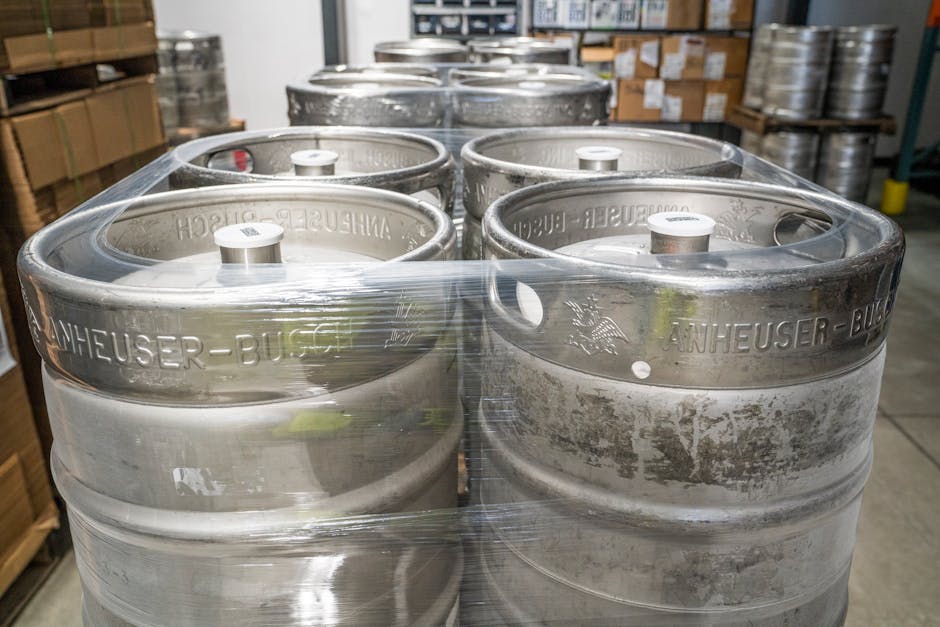
- Load stability: Palletise and wrap with stretch film; secure with straps.
How do stretch film and box straps protect pharma consignments?
Stretch film unitises cartons on a pallet to stop shifting, dust and moisture, while box straps hold heavy or stacked loads tightly together during handling. Together they cut in-transit damage and pilferage.
Wrapping palletised cartons in quality stretch films keeps loads stable and shielded from ambient moisture, while durable PP box straps reinforce heavy cartons and pallets so nothing loosens in transit.
What should B2B buyers look for when sourcing pharma packaging?
B2B buyers should prioritise food/pharma-grade materials, consistent barrier performance, customization for labelling and compliance, reliable MOQ and lead times, and total cost-efficiency — not just unit price. Documentation and batch consistency matter as much as the material itself.
- Grade & compliance: Ask for material certificates suited to pharma contact.
- Customization: Print, dimensions, thickness, seal type and colour.
- MOQ & scalability: Can the supplier scale with your demand cycles?
- Consistency: Uniform gauge and seal strength batch after batch.
- Cost-efficiency: Right-spec, not over-spec — see our tips to reduce packaging costs without losing quality.
How does customization improve compliance and branding?
Customization lets you print mandatory regulatory text, dosage warnings, batch/expiry fields and anti-counterfeit features directly on the pack, while reinforcing brand trust. It also standardises packing, reducing operator error on the line.
From printed liners to branded pouches and tapes, custom-spec packaging aligns your shipments with both regulatory and brand requirements in a single step.

Common pharma shipping mistakes to avoid
The most common mistakes are under-specifying moisture barriers, skipping tamper-evident seals, using the wrong film thickness, and poor load stabilisation. Each one raises the risk of rejected consignments, recalls or compliance failures.
- Relying on a plain carton without a moisture-proof inner liner.
- Using generic tape instead of tamper-evident sealing.
- Forgetting desiccants for hygroscopic formulations.
- Loose palletising without stretch wrap or straps.
Getting these basics right is what turns packaging from a cost centre into a safeguard — a theme we explore in why packaging is the secret backbone of your business.
Conclusion
Safe pharma packaging is a layered system: tamper-evident seals to prove integrity, moisture-proof liners and pouches to protect stability, and stretch film plus strapping to keep everything secure in transit. Choosing pharma-grade materials at the right specification protects patients, satisfies regulators and controls cost.
Ready to build a compliant, cost-efficient packing system for your pharma shipments? Contact our team for a tailored quote on tamper-evident tapes, moisture-proof liners, printed pouches and stretch film in bulk.
Frequently Asked Questions
What is the difference between tamper-evident and tamper-proof pharma packaging?
Tamper-evident packaging visibly shows if a product has been opened or interfered with, while tamper-proof implies it cannot be opened at all. In practice, pharma relies on tamper-evident features because they provide clear proof of integrity to buyers and regulators.
Which packaging material is most moisture-proof for pharmaceuticals?
Laminated multi-layer pouches offer the highest moisture barrier for unit doses, while PP and LDPE liners work well for bulk products. The right choice depends on product sensitivity, volume and handling conditions.
Do I need desiccants if I use moisture-proof film?
For hygroscopic tablets, powders and capsules, yes — desiccants absorb residual moisture inside a sealed pack even with a good barrier film. For less sensitive products, a high-barrier liner may be sufficient on its own.
What film thickness should I choose for pharma liners?
Lighter retail packs may use 50–75 micron film, while heavy bulk powders often need 100 microns or more for adequate barrier and puncture resistance. Match the gauge to product weight and sensitivity to avoid over-specifying.
Can pharma packaging be customized in bulk with branding and compliance text?
Yes. Tapes, liners and printed pouches can be custom-produced with brand artwork, dosage warnings, batch and expiry fields and QR codes, typically subject to a minimum order quantity that varies by product.
How do I keep palletised pharma cartons stable during shipping?
Wrap the pallet in quality stretch film to unitise and shield the load, then reinforce with PP box straps for heavy or stacked cartons. This reduces shifting, dust exposure and pilferage in transit.
1. Photo by Tima Miroshnichenko on Pexels
2. Photo by ELEVATE on Pexels
3. Photo by mockupbee on Pexels