
Key takeaways
- Bulk packaging cost in India is set mainly by polymer raw material — much of it imported and tied to crude oil prices.
- Because resin is crude-linked and often imported, rates move with oil prices, the rupee-dollar rate and freight, so treat every quote as a live figure.
- Geopolitical tensions raise volatility by disrupting crude, shipping routes and supply chains, pushing polymer costs higher and less predictable.
- Compare materials on cost-per-use (wraps per pallet, meterage per roll, pieces per order), not headline rate.
- Right-sizing thickness, consolidating volumes and locking rate contracts are the fastest ways to control cost against price swings.
Bulk packaging cost in India is not a fixed number — it is set almost entirely by the price of polymer raw material, a large share of which is imported and linked to crude oil. That means rates for stretch film, LDPE/PP bags, liner bags, BOPP tapes and printed pouches move up and down with global resin markets rather than staying flat. The smartest way to budget is to understand relative pricing between materials and the factors that push your cost higher or lower, then request a live quotation for firm numbers.
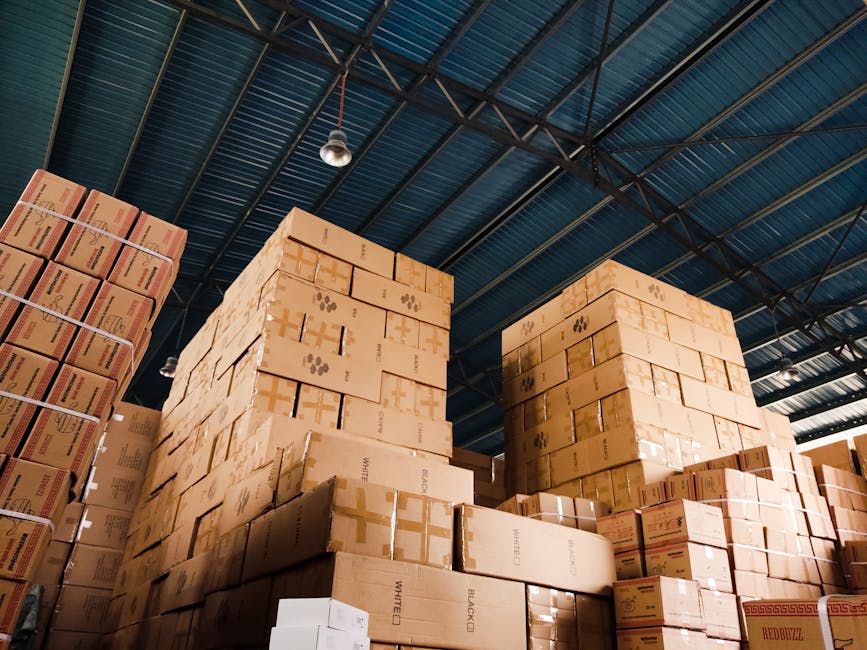
This guide breaks down how bulk packaging is priced in India by material type, why raw material sourcing matters so much, and how recent global events have influenced what buyers pay.
Why does bulk packaging cost in India change so often?
Because packaging is made from polymers — and India imports a significant portion of its polymer raw material — bulk packaging cost tracks global resin and crude oil prices. When feedstock costs rise, film, bag and pouch rates follow within weeks. This is why every price should be treated as a live figure, not a fixed rate.
Most industrial packaging is derived from plastics such as LDPE, LLDPE, HDPE, PP and BOPP. These resins are traded globally, and their landed cost in India depends on international prices, the rupee-dollar exchange rate, import duties and freight. A manufacturer’s quote is essentially their converted resin cost plus processing, printing and margin — so when the raw material moves, the finished packaging price moves with it.
How much do imported raw materials affect the price?
Raw material is the single largest component of bulk packaging cost — often the majority of the finished price. Since much of the polymer feedstock is imported or priced against imported benchmarks, currency movements, shipping costs and international supply all feed directly into what Indian buyers pay per kg or per piece.
Key raw-material factors that shape your quote:
- Global crude and resin prices: Polymers are crude-linked, so oil market swings ripple into packaging rates.
- Rupee-dollar exchange rate: A weaker rupee raises the landed cost of imported resin and additives.
- Freight and shipping availability: Container rates and port congestion add to the delivered cost of imported material.
- Virgin vs recycled grade: Virgin polymer costs more than reprocessed grades but delivers better clarity, strength and consistency.
- Import duties and supply availability: Policy changes and short supply of specific grades can push prices up quickly.

How have geopolitical tensions impacted packaging prices?
Geopolitical tensions have made bulk packaging pricing far more volatile in recent years. Conflicts and trade disruptions affect crude oil, disrupt global shipping routes and lengthen resin supply chains — all of which flow through to higher and less predictable polymer costs for Indian buyers.
Several linked effects are at play:
- Oil price swings: Because polymers are crude-derived, instability in oil-producing and oil-transit regions can spike feedstock costs.
- Shipping and route disruption: Tensions around major shipping lanes raise freight rates and delivery times for imported resin, adding to landed cost.
- Supply chain re-routing: When established supply routes are disrupted, buyers pay for longer, costlier alternatives.
- Currency pressure: Global uncertainty often weakens emerging-market currencies, making dollar-priced imports more expensive in rupee terms.
The practical takeaway for procurement teams: build flexibility into your budget and revisit pricing periodically rather than assuming last year’s rate still holds.
How is each packaging material priced in India?
Packaging is priced per kg (films, plain bags, liners), per roll (tapes, straps) or per piece (pouches). Within each material, cost rises with thickness/GSM, customization and premium grades, and falls with higher order volumes. Below is how the main materials compare on a relative basis.
How is stretch film priced?
Stretch film is sold per kg, so its cost tracks polymer rates closely. Price varies with hand-grade versus machine-grade, micron thickness and stretch ratio. A higher-stretch premium film may cost more per kg but wraps more pallets, lowering your true cost per pallet.
When comparing stretch films, never judge on price per kg alone. Ask suppliers for film weight consumed per pallet wrap — a thinner, high-performance film with better cling can meaningfully cut consumption. Our plastic film thickness guide explains how to avoid over-specifying microns.
How are BOPP self-adhesive tapes priced?
BOPP tapes are priced per roll, driven by width (48mm is standard), length in metres, adhesive coating and whether they are plain, coloured or custom-printed. Printed branding tapes sit at the higher end because of print setup and ink.
For carton sealing at scale, evaluate meterage per roll and adhesive quality rather than the sticker price. A cheap, low-adhesive BOPP self-adhesive tape often needs two passes, doubling your real cost and slowing the packing line.
How are LDPE and PP bags priced?
Plain LDPE and PP bags are priced per kg, with rates set by polymer grade and GSM. Recycled grades are cheaper; food-grade and virgin material command a premium. PP and BOPP options are quoted by size and thickness.
LDPE plastic bags offer flexibility and moisture resistance, while PP is stiffer and clearer. If you’re unsure which fits your product, our comparison of LDPE vs PP bags helps. For crystal-clear, high-strength retail or industrial use, buyers often choose BOPP bags — our breakdown of BOPP vs PP bags shows where the extra cost is justified.
How are liner bags priced?
Liner bags for drums, boxes, jumbo bags and bulk handling are priced per kg, based on polymer, thickness and size. Larger, thicker liners for heavy-duty use naturally cost more per unit.
For dry chemicals, food powders and granules, buyers commonly specify a PP liner bag or heavy-duty HM liner bags, while LD liner bags suit moisture-sensitive contents. Match the gauge to your fill weight so you don’t pay for material you don’t need.
How are custom printed pouches priced?
Custom printed pouches are priced per piece, driven by size, laminate structure (number of layers), printing method, number of colours and MOQ. Multi-layer barrier laminates and gravure printing sit at the higher end.
Because tooling and print cylinders are one-time costs, per-piece rates fall sharply at higher volumes. Before ordering customized printed pouches, review our complete guide to custom printed pouches. For regulated goods, tamper-evident and moisture-proof structures add cost but are essential.
How are PP box straps priced?
PP box straps for carton and pallet bundling are priced by weight or per roll, with cost driven by strap width, thickness and breaking strength. Machine-grade straps cost more than manual straps but run faster on automatic strapping machines.
For securing heavy cartons or palletised loads, PP box straps are one of the most cost-efficient options. Specialised or regulated products may also need PVC customized bags, priced by size and print.

Which material is cheaper — a relative comparison
Use this as a directional guide to how materials compare, not as fixed pricing. Actual rates depend on live polymer costs, your specs and order volume.
| Material | Priced By | Relative Cost Position | Main Cost Driver |
|---|---|---|---|
| PP Box Straps | Per roll / weight | Among the most economical per load secured | Width, thickness, strength |
| BOPP Tapes | Per roll | Low; printing raises it | Length, adhesive, printing |
| Stretch Film | Per kg | Moderate; premium high-stretch grades cost more | Micron & stretch grade |
| LDPE / PP Bags | Per kg | Moderate; virgin & food-grade higher | Grade & GSM |
| Liner Bags | Per kg | Moderate to high for heavy-duty sizes | Thickness & size |
| Printed Pouches | Per piece | Highest per unit; drops fast at volume | Laminate & printing |

How can B2B buyers control bulk packaging cost?
Buyers can protect against volatile pricing by right-sizing specs, consolidating volumes, standardising SKUs and locking in rate contracts. Since raw material drives most of the cost, avoiding over-engineered specs is usually the fastest saving without hurting protection.
- Right-size the gauge: Don’t over-specify microns or GSM beyond what the product needs.
- Consolidate orders: Fewer, larger POs unlock better per-unit rates.
- Standardise sizes: Reducing SKU variety lowers tooling and changeover costs.
- Lock in rate contracts: Volume commitments cushion you against sudden polymer price swings.
For a deeper playbook, see our tips on reducing packaging costs without losing quality.
Conclusion
Bulk packaging cost in India is best understood in relative terms, because the underlying polymer raw material — much of it imported and crude-linked — keeps absolute prices moving. Geopolitical tensions, shipping disruption and currency shifts all feed into what you pay, so the smartest approach is to match specs to your actual product needs and revisit pricing regularly. Ready to compare current rates for your requirement? Get in touch with our team for a live bulk quotation tailored to your specs, MOQ and delivery location.
Frequently Asked Questions
Why do packaging suppliers avoid giving fixed prices?
Because packaging is made from polymers priced against global resin and crude oil markets — much of it imported. Rates move with oil prices, the exchange rate and freight, so suppliers quote live prices based on current material costs, your specs and order volume.
How does imported raw material affect what I pay?
Raw material is the largest part of the finished price. Since a big share of polymer feedstock is imported or priced against imported benchmarks, a weaker rupee, higher shipping costs or tight global supply all raise the landed cost, which flows straight into your per-kg or per-piece rate.
How have geopolitical tensions changed packaging prices?
Geopolitical tensions affect crude oil, disrupt major shipping routes and lengthen resin supply chains. This has made polymer costs more volatile and less predictable, so buyers should budget with flexibility and revisit pricing regularly rather than assuming last year’s rates hold.
Is packaging priced per kg or per piece in India?
It depends on the product. Films, plain bags and liners are usually priced per kg, tapes and straps per roll, and printed pouches per piece. This is why cost-per-use matters more than a single unit rate.
Does thicker film or higher GSM always mean better value?
Not necessarily. Over-specifying thickness wastes material and money. Match the gauge to your product weight and handling conditions to get the protection you need without paying for excess material.
What information do suppliers need to quote accurately?
Provide material type, size or dimensions, thickness (microns/GSM), quantity, printing requirements and delivery location. The more precise your specs, the more accurate and competitive the live quotation will be.
1. Photo by Ihsan Adityawarman on Pexels
2. Photo by ELEVATE on Pexels
3. Photo by João Jesus on Pexels
4. Photo by Tima Miroshnichenko on Pexels