
Key takeaways
- Aluminium-foil and metallised laminated pouches offer the best moisture barrier for high-value, sensitive products; thick PP and LDPE liners are the cost-effective choice for bulk.
- Match film thickness to risk: 50–75 microns for light retail packs, 75–120 for standard bulk, and 120–200 microns for heavy or long-storage goods.
- A strong heat seal plus desiccants often beats simply switching to a more expensive film.
- Protect the whole load with PP box straps, stretch film, and quality BOPP tape so humid air and handling don’t compromise the inner barrier.
- Reserve foil laminates for your most moisture-sensitive SKUs and standardise specs to unlock bulk pricing.
For moisture-sensitive products in humid climates, the best packaging is a multi-layer barrier system: a high-barrier laminated pouch or aluminium-foil laminate as the primary pack, an LDPE or PP liner inside cartons for bulk, and desiccants plus a strong moisture-proof seal. This combination blocks water vapour, controls humidity, and protects goods through storage and transit. The right choice depends on your product, shelf life, and order volume.
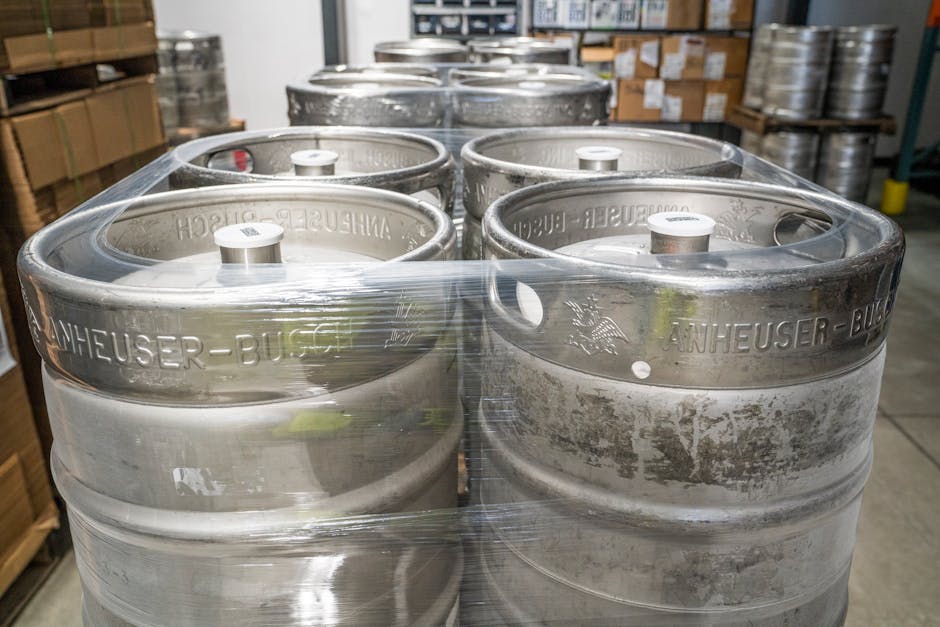
India’s monsoon and coastal belts routinely push relative humidity above 80%, and that moisture is the silent enemy of pharma tablets, electronics, food powders, fertilisers, and hygroscopic chemicals. If your packaging can’t keep water vapour out, you’ll see clumping, mould, corrosion, and rejected shipments. Below, we break down which materials actually work for moisture-sensitive products and how B2B buyers should spec them.
Why does humidity damage moisture-sensitive products?
Humidity damages products because water vapour migrates through weak packaging and is absorbed by the goods inside, triggering caking, degradation, corrosion, and microbial growth. In humid climates this happens faster because the vapour pressure gradient pushing moisture inward is much higher.
Common failure modes include:
- Powders and granules clumping and losing flowability.
- Pharma and nutraceuticals degrading or failing stability tests.
- Electronics and metal parts corroding or developing surface oxidation.
- Snacks and food going stale or growing mould.
The goal isn’t just “plastic packaging” — it’s a defined moisture barrier measured by Water Vapour Transmission Rate (WVTR). Lower WVTR means a better moisture barrier.
What packaging material gives the best moisture barrier?
The best moisture barrier comes from aluminium-foil laminates and metallised (VMPET) laminated pouches, followed by thick PP and LDPE liners for bulk. Foil laminates offer near-zero WVTR, while quality polyethylene liners provide strong, cost-effective protection for large-volume industrial goods.
Here’s how common options compare for moisture protection:
| Material | Moisture barrier | Best for |
|---|---|---|
| Aluminium foil laminate | Excellent (near-zero WVTR) | Pharma, sensitive powders, long shelf life |
| Metallised (VMPET) pouch | Very good | Food, nutraceuticals, retail packs |
| PP liner bag (thick gauge) | Good | Bulk chemicals, fertilisers, food grains |
| LDPE / LD liner bag | Good, flexible | Drum & carton liners, bulk powders |
| BOPP bag | Moderate to good | Retail-facing bulk with clarity needs |
For sealed retail or dispensing packs, our customized printed pouches can be laminated with foil or metallised layers to hit demanding barrier specs. For bulk protection inside cartons and drums, liner bags are the workhorse.
Are liner bags good for moisture protection in bulk?
Yes — liner bags are one of the most cost-effective moisture barriers for bulk and industrial goods. A thick PP or LDPE liner placed inside a carton, drum, or jumbo bag creates a sealed inner envelope that blocks vapour, so the outer pack handles handling while the liner handles humidity.
For heavy-duty bulk applications, a PP liner bag offers rigidity and strong vapour resistance, while HM liner bags and LD liner bags give excellent flexibility and puncture resistance for powders and granules. The key is matching gauge (microns) to your product weight and moisture sensitivity.
Rule of thumb: the more hygroscopic the product, the thicker the liner and the more you should consider adding a foil layer or desiccant.

How thick should moisture-barrier film be?
For moisture protection, film thickness typically ranges from 50 microns for light retail packs to 150+ microns for heavy industrial liners. Thicker gauges resist tearing and provide a longer vapour path, but over-speccing wastes money — so match microns to product weight, transit distance, and humidity exposure.
- 50–75 microns: light powders, retail-facing packs.
- 75–120 microns: standard bulk liners for chemicals and food grains.
- 120–200 microns: heavy, abrasive, or long-storage products.
If you’re unsure of the correct gauge, our plastic film thickness guide walks through how to pick the right micron rating without over-paying.
LDPE, PP or BOPP — which bag is right for humid climates?
For pure moisture defence in bulk, LDPE and PP liners lead because they seal well and resist vapour cost-effectively. BOPP works best when you also need clarity and a printable retail surface. The right pick balances barrier performance, strength, and how the product is displayed or handled.
- LDPE: soft, flexible, excellent seals — great for liners and heat-sealed inner bags.
- PP: stiffer, higher clarity, good barrier — good for structured packs and liners.
- BOPP: glossy, printable, moderate-to-good barrier — ideal for retail bulk.
To dig deeper into these choices, see our comparisons of LDPE vs PP bags and BOPP vs PP bags. You can also explore ready options like our LDPE plastic bags and BOPP bags.
What extra steps improve moisture protection?
Beyond the right film, moisture protection improves dramatically with proper sealing, desiccants, and secure palletising. Even the best barrier film fails if the seal leaks or the pallet load lets pouches shift and puncture during humid transit.
- Strong heat seals: a continuous, leak-free seal is non-negotiable for moisture barriers.
- Desiccants: silica gel or clay packs absorb residual moisture inside sealed packs.
- Secure closures: strap and unitise cartons and drums with PP box straps to prevent shifting.
- Pallet wrapping: stretch films shield the whole load from ambient humidity and rain during transit.
- Sealed cartons: quality BOPP self-adhesive tapes close outer cartons tightly so humid air can’t circulate freely.
How should pharma and electronics buyers pack moisture-sensitive goods?
Pharma and electronics demand the highest barrier: foil-laminated pouches or blister packs, desiccants, and often tamper-evident seals. These products fail stability or functionality tests with even small moisture ingress, so a validated multi-layer system is essential rather than a single film.
For a detailed workflow, read our guide on how to package and ship pharma products safely with tamper-evident and moisture-proof options. For specialised or transparent applications, PVC customized bags can also be engineered to your dimensions.

How do B2B buyers keep moisture packaging cost-efficient?
Cost efficiency comes from matching the barrier to the actual risk, ordering in bulk, and standardising specs across SKUs. Over-engineering every pack with foil is wasteful; under-packing causes rejects and returns. The smart middle ground protects the product while controlling per-unit cost.
- Reserve foil laminates for your most sensitive, high-value products.
- Use thick PP/LDPE liners for bulk where full foil is overkill.
- Consolidate microns and pouch sizes to unlock volume pricing.
- Add desiccants instead of jumping to a costlier film — often cheaper per pack.
For more savings tactics, see our posts on reducing packaging costs without losing quality and the bulk packaging cost guide for India.
Conclusion: build a barrier system, not just a bag
Protecting moisture-sensitive products in humid climates is about layering the right materials — a high-barrier primary pack, a robust liner for bulk, desiccants, and tight sealing and palletising. Match the film gauge and material to your product’s sensitivity and order volume, and you’ll cut rejects while keeping costs sensible.
Need help specifying the right liner, pouch, or barrier film for your product and climate? Contact our packaging team for tailored recommendations, custom sizing, microns, and bulk pricing — and ship your moisture-sensitive goods with confidence.
Frequently Asked Questions
What is the single best packaging for moisture-sensitive products in humid climates?
There is no single material — the best solution is a layered system: a high-barrier foil or metallised primary pack (or thick PP/LDPE liner for bulk), desiccants, and a leak-free heat seal, all secured on a stretch-wrapped pallet.
How do I know what film thickness (microns) I need?
Base it on product weight, transit distance, and humidity exposure. Light retail packs work at 50–75 microns, standard bulk liners at 75–120 microns, and heavy or long-storage products at 120–200 microns.
Are liner bags enough on their own for moisture protection?
Thick PP or LDPE liners provide good moisture resistance for bulk goods, but adding desiccants and a proper heat seal significantly improves protection, especially for highly hygroscopic products.
Do desiccants really help, or should I just use a better film?
Desiccants absorb residual moisture trapped inside sealed packs and are often cheaper than upgrading to a foil laminate. For maximum protection on sensitive goods, use both a high-barrier film and desiccants.
Can I get moisture-barrier packaging customised and printed for bulk orders?
Yes. Laminated pouches, liner bags, and bags can be made to your dimensions, microns, and barrier spec, with custom printing available. Contact us for MOQs and bulk pricing.
What packaging suits pharma and electronics in humid conditions?
These need the highest barrier — foil-laminated pouches or blister packs, desiccants, and often tamper-evident seals — because even small moisture ingress can cause stability or corrosion failures.
1. Photo by ELEVATE on Pexels
2. Photo by Mediamodifier on Pexels
3. Photo by cottonbro studio on Pexels
4. Photo by Katya Puzanova on Pexels