
Key takeaways
- Match each packaging layer to product weight and fragility, then standardise 3–4 box sizes to cut SKUs and void fill.
- Always specify measurable specs—film microns, bag GSM, tape adhesion and strap break strength—at the sourcing stage.
- Optimise for lowest total cost (including damages and returns), not the cheapest unit price.
- Right-sizing and pre-stretched film reduce both shipping charges and plastic use at once.
- Bulk ordering and supplier consolidation unlock better pricing, consistent quality and easy reordering.
The right e-commerce packaging materials protect products in transit, control shipping costs and reinforce your brand at every unboxing. The short answer: match each layer to the product—corrugated boxes or poly mailers on the outside, air bubble wrap or foam for cushioning, stretch film for pallets, strong sealing tape, and inner bags or pouches—then standardise specs and buy in bulk to lower total cost. This checklist helps procurement managers, operations heads and packaging buyers do exactly that.

The journey from warehouse to doorstep is where products are most vulnerable. A single damaged shipment means a return, a refund, a negative review—and a customer you may never win back. Getting the specification right at the sourcing stage prevents expensive mistakes across thousands of orders.
Why do packaging material choices matter for your bottom line?
Packaging is not just a cost line—it directly affects three things that hit your profitability: damage rates, shipping costs and brand perception. The right material reduces all three at once, while the wrong spec quietly inflates returns and dimensional-weight charges.
- Damage rates: Under-protected products lead to breakage, returns and replacement costs.
- Shipping costs: Oversized or heavy packaging inflates dimensional weight charges.
- Brand perception: Clean, well-fitted, branded packaging signals professionalism.
For B2B buyers, defining the right film thickness, bag GSM and tape adhesion at sourcing is the single highest-leverage decision. Packaging really is the secret backbone of a well-run operation—it protects margin as much as product.
What outer box or mailer should you choose?
Match your outer layer to product weight and fragility. Use single-wall (3-ply) corrugated for light goods, double-wall (5-ply) for heavier or fragile items, and lightweight poly/LDPE mailers for non-fragile soft goods like apparel. Right-sizing the outer pack cuts both material and shipping cost.
- Corrugated boxes: Single-wall (3-ply) for light goods; double-wall (5-ply) for heavier or fragile items.
- Poly/LDPE mailers: Ideal for apparel and textiles—lightweight, waterproof and low-cost.
- Right-sizing: Avoid oversized boxes. Snug packaging reduces void fill and dimensional weight charges.
Buyer tip: Standardise on 3–4 box sizes that cover 90% of your SKUs. Fewer packaging SKUs means better bulk pricing and simpler inventory.
Which protective cushioning works best for fragile items?
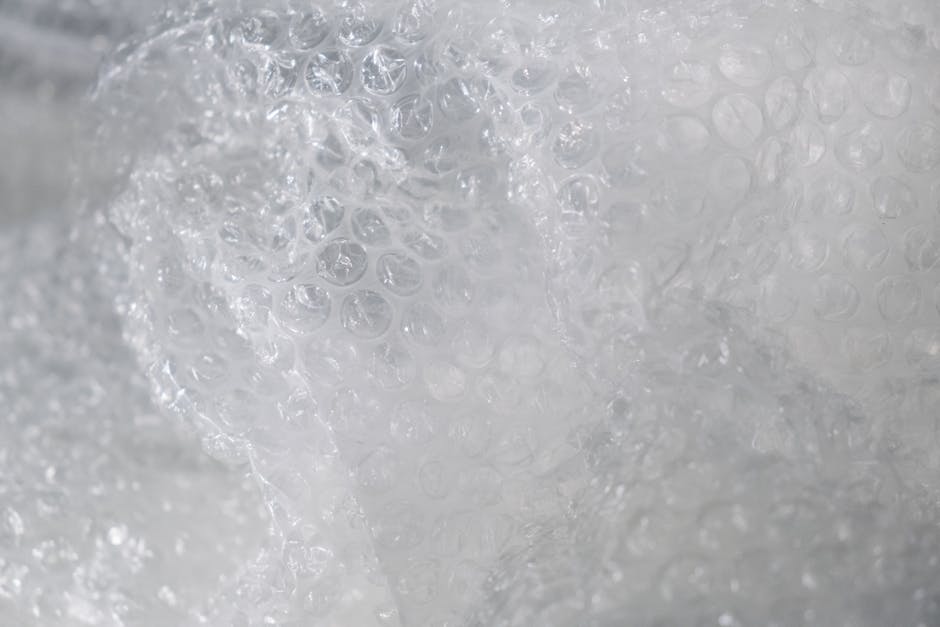
Choose cushioning by fragility and budget. Air bubble wrap is the all-round workhorse—small bubbles guard against surface scratches and large bubbles absorb shock on heavier items. Reserve foam for high-value electronics and glassware, and use paper void fill for eco-friendly space filling.
- Air bubble wrap: Small bubbles for scratch protection; large bubbles for shock absorption.
- Foam rolls and pouches: Best for electronics, glassware and high-value fragile goods.
- Paper void fill: An eco-friendly alternative for filling empty space.
When sourcing air bubble wrap in bulk, specify bubble height, film thickness in microns and roll width. Higher microns mean better puncture resistance for sharp-edged products—our microns guide explains how to pick the right gauge without overspending.
How do you choose the right stretch film for pallets?
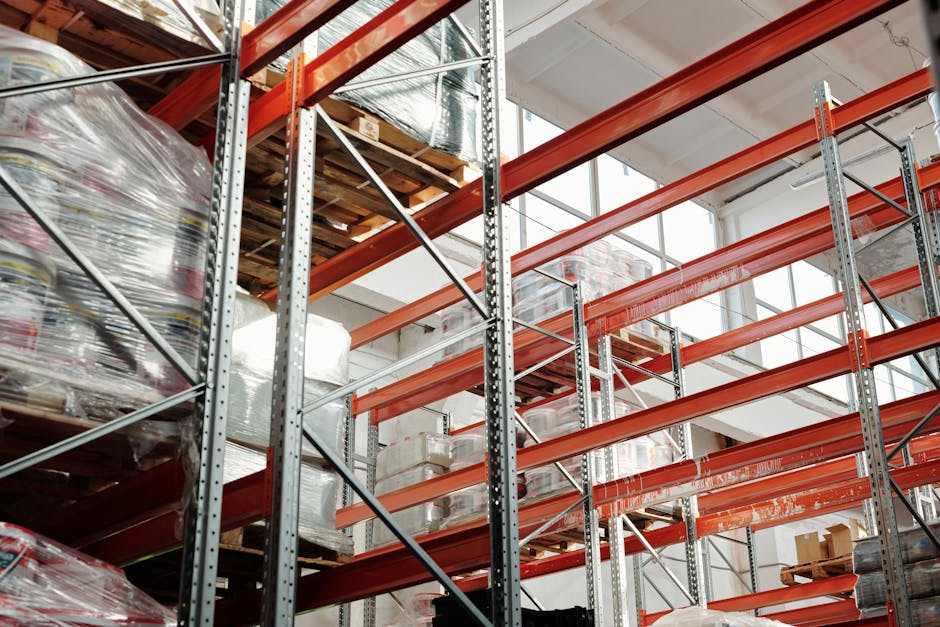
If you ship in volume or move goods between warehouses, stretch film unitises pallets and secures loads. Match the grade to your throughput: hand film for low-to-medium volumes, machine film for automated wrappers, and pre-stretched film to cut plastic use and worker fatigue.
- Hand stretch film for low-to-medium volume wrapping.
- Machine stretch film for high-throughput automated operations.
- Pre-stretched film to reduce material usage per pallet.
Key specs to confirm with your supplier: thickness in microns, stretch percentage, core size and clarity. The right grade of stretch film prevents pallet collapse without overspending on material.
What sealing tape keeps cartons secure in transit?
A box is only as strong as its seal. BOPP self-adhesive tape is the economical standard for carton sealing; printed tape adds branding and acts as a tamper indicator; reinforced tape suits heavy cartons. Always confirm adhesion strength and width—48mm is common.
- BOPP self-adhesive tapes: Reliable, economical carton sealing, plain or printed.
- Printed tape: Carries your logo and doubles as a tamper-evidence cue.
- Reinforced tape: For heavy cartons needing extra holding strength.
For high-volume packing lines, choose BOPP self-adhesive tape that runs smoothly on dispensers to speed up sealing and reduce repacking.
Which bags, pouches and liners protect inner contents?
Inner packaging keeps items clean, dry and organised. Use LDPE or PP bags for dust and moisture protection, printed pouches for retail-ready presentation, and liner bags for bulk powders, granules or loose goods packed inside cartons and drums.
- LDPE/PP bags: Dust and moisture protection for individual items.
- Printed pouches: Retail-ready presentation and branding.
- Liner bags: For bulk powders, granules or loose goods.
Picking between materials? Our breakdown of LDPE vs PP bags helps you match the bag to the product. For pharma, food and FMCG, confirm material grade and any food-contact or barrier requirements before bulk ordering. For drum and carton liners, evaluate options like a PP liner bag or HM liner bags based on your contents.
When do you need strapping and reinforcement?
For heavy or palletised shipments, PP box straps hold cartons and bundles together and prevent shifting. Specify strap width, thickness and break strength based on load weight, and decide between manual or semi-automatic strapping based on your packing volume.
- Specify strap width, thickness and break strength to match load weight.
- Manual or semi-automatic strapping depends on your throughput.
Rated correctly, PP box straps keep palletised loads stable through multiple transit handoffs.
Quick comparison: which material for which job?
| Material | Best for | Key spec to confirm |
|---|---|---|
| Corrugated box | Most parcels; fragile or heavy goods | Ply (3 vs 5), dimensions |
| Poly/LDPE mailer | Apparel, soft non-fragile goods | Thickness, size |
| Air bubble wrap | Fragile items, surface protection | Bubble height, microns, width |
| Stretch film | Pallets, bundling, warehouse moves | Microns, stretch %, core size |
| BOPP tape | Carton sealing, branding | Adhesion, width (48mm) |
| PP box straps | Heavy/palletised loads | Width, thickness, break strength |
How do you balance protection against cost?
The goal is never the cheapest packaging—it is the lowest total cost, including damages and returns. A small increase in cushioning often pays for itself by avoiding a much larger return-and-replacement bill.
- Audit your damage data. Identify which products break most and upgrade protection only where needed.
- Right-size everything. Reduce box volume to cut both material and shipping costs.
- Buy in bulk and consolidate suppliers. Larger, fewer orders unlock better per-unit pricing and consistent quality.
- Standardise specs. A defined micron, GSM and dimension for each material makes reordering predictable.
For more tactical savings, see our guide on reducing packaging costs without losing quality.
Should you customise and brand your packaging?
Yes—for volume buyers, customisation usually adds minimal cost per unit at scale and turns every parcel into a marketing surface. Printed tapes and pouches build recall, branded mailers elevate unboxing, and custom sizes cut void fill.
- Printed tapes and pouches with your logo build brand recall.
- Branded mailers and boxes improve the unboxing experience.
- Custom sizes reduce void fill and improve product fit.
Discuss minimum order quantities, print plate costs and lead times upfront. Our complete guide to custom printed pouches explains materials, printing methods and MOQ, and you can explore customised printed pouches directly.

Can packaging be sustainable without sacrificing performance?
Yes. Recyclable LDPE and paper-based void fill, right-sizing to use less material, and pre-stretched film to cut plastic per pallet all reduce environmental impact while keeping products safe. Ask suppliers about recycled content and recyclability.
Aligning packaging with customer expectations and regulation is increasingly a buying requirement—see the latest eco-friendly packaging trends in India for what is changing.
Your final pre-order checklist
Before you confirm your next bulk purchase, run this quick review:
- Outer box or mailer matched to product weight and fragility?
- Cushioning specified by micron and bubble/foam type?
- Stretch film grade confirmed for your pallet loads?
- Tape adhesion and width suitable for your cartons?
- Inner bags or pouches meeting any grade requirements?
- Strapping rated for heavy shipments?
- Sizes standardised to minimise SKUs and void fill?
- MOQs, lead times and customisation costs agreed?
Conclusion
Choosing the right e-commerce packaging materials is a balancing act between protection, cost and brand experience. By specifying each layer carefully—from corrugated boxes and air bubble wrap to stretch film, tapes, liners and printed pouches—and buying smart in bulk, you can cut damage rates, control shipping spend and deliver a better experience to every customer.
Planning your next bulk order? Reach out for guidance on the right specifications and a quote tailored to your shipping volumes. A short conversation now can save significant cost across thousands of shipments.
Frequently Asked Questions
What is the most important packaging material for protecting fragile e-commerce items?
Air bubble wrap is the all-round workhorse for fragile goods. Use small bubbles for scratch protection and large bubbles for shock absorption, and choose a higher micron film for sharp-edged products. For high-value electronics and glassware, foam offers extra protection.
How do I reduce shipping costs through better packaging?
Right-size your boxes to cut dimensional weight charges, standardise on a few box sizes, use lightweight poly mailers for non-fragile goods, and buy materials in bulk. Reducing void fill and consolidating suppliers lowers both material and freight costs.
What stretch film specs should I confirm before ordering?
Confirm thickness in microns, stretch percentage, core size and clarity, and choose hand, machine or pre-stretched film based on your volume. The right grade prevents pallet collapse without overspending on excess film.
Which is better for inner bags—LDPE or PP?
It depends on the product. LDPE bags are flexible and good for moisture protection of soft goods, while PP bags offer clarity and a crisper finish. For food, pharma or FMCG, always confirm material grade and any barrier or food-contact requirements before ordering.
Is custom-printed packaging worth it for bulk buyers?
Usually yes. At volume, printing on tapes, pouches and mailers adds minimal cost per unit while building brand recall and improving the unboxing experience. Discuss MOQs, print plate costs and lead times upfront to fit your reorder cycle.
What tape width is standard for carton sealing?
48mm BOPP self-adhesive tape is the common standard for carton sealing. Confirm adhesion strength for your carton weight, and for high-volume lines choose tape that runs smoothly on dispensers to speed up packing.
1. Photo by Pavel Danilyuk on Pexels
2. Photo by cottonbro studio on Pexels
3. Photo by Tiger Lily on Pexels
4. Photo by Ketut Subiyanto on Pexels