
Key takeaways
- Use a layered system: an ESD-safe inner bag, cushioning, a rigid carton, and secure tape/strapping — not a single material.
- Match static protection to risk: shielding bags for bare PCBs/chips, dissipative bags for general parts, and basic poly bags for fully enclosed devices.
- Air bubble wrap and foam absorb shock; stretch film and PP straps stabilise palletised loads in transit.
- Specify ESD rating, film thickness (microns), dimensions, sealing and printing clearly in bulk purchase orders.
- Right-size every layer to cut both material and freight costs without increasing damage rates.
The best electronics packaging solutions combine anti-static (ESD-safe) materials to control electrostatic discharge with cushioning layers like air bubble wrap and foam to absorb shock. For most components, that means a layered system: an anti-static inner bag, protective cushioning, a rigid outer carton, and secure outer sealing with strapping and tape. This approach protects sensitive boards, chips and devices from both invisible static damage and physical impact during storage and transit.
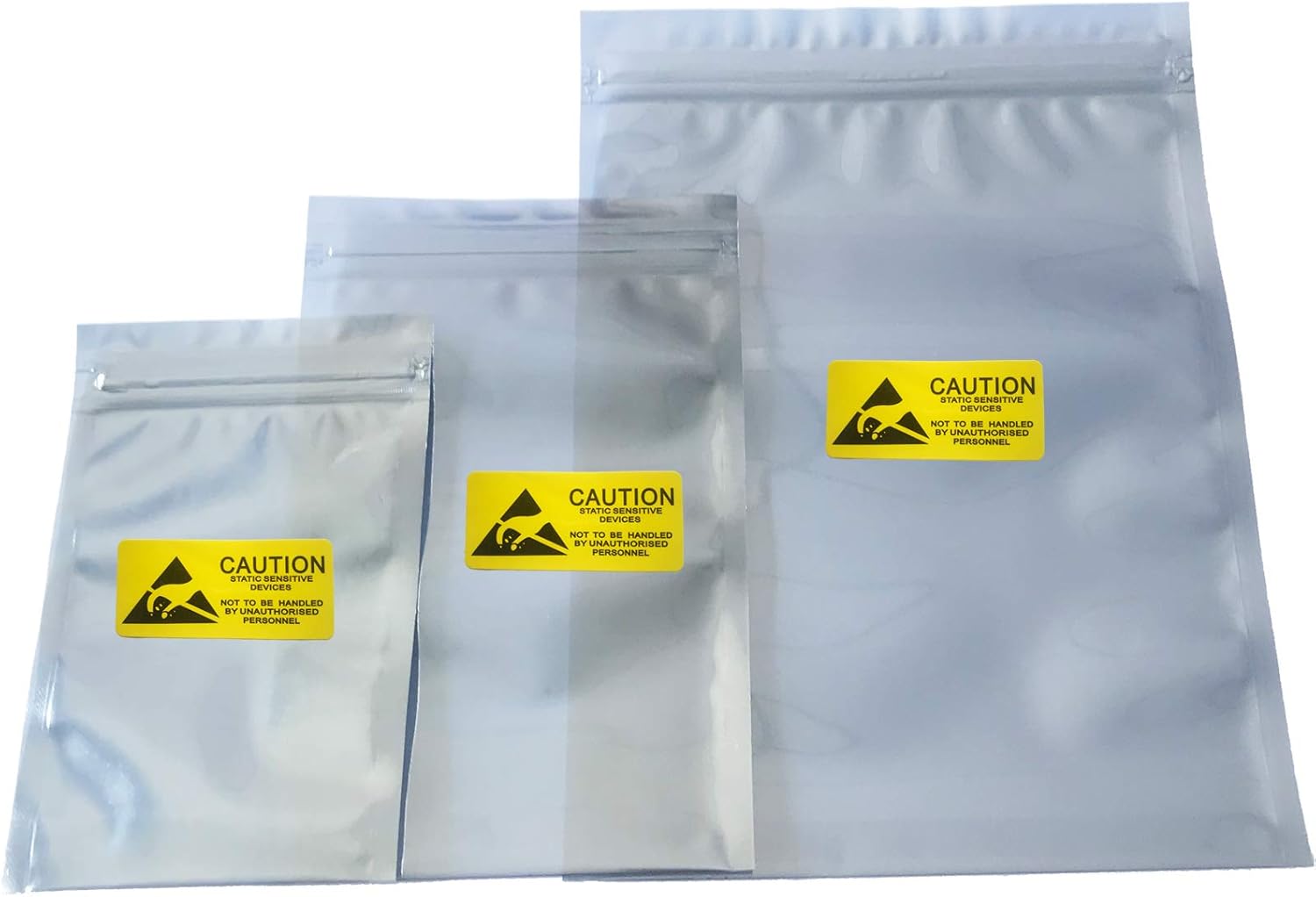
For procurement teams sourcing in bulk, choosing the right combination of films, bags and protective layers is what keeps return rates low and brand reputation intact. Below, we break down what works, why, and how to specify it for your products.
Why does static damage electronics during packaging?
Static damage happens because electronic components can be ruined by a sudden electrostatic discharge (ESD) — a tiny spark you may not even feel. Common plastic films generate static when they rub against components, while ESD-safe materials dissipate that charge safely instead of building it up.
Sensitive parts like microchips, PCBs, hard drives and sensors can fail instantly or suffer latent damage that shows up weeks later in the field. For B2B sellers, that translates into warranty claims, RMAs and lost trust. The goal of good electronics packaging is to prevent charge buildup, isolate components from external fields, and stop physical movement inside the box.
What are the best packaging materials to prevent static?
The best anti-static packaging materials are those that either dissipate or shield against electrostatic charge. The three main categories are anti-static (pink/dissipative) films, conductive (black) materials, and static-shielding (metallized) bags. Each suits a different sensitivity level.
- Anti-static / dissipative bags: Slow the flow of charge to prevent sudden discharge. Ideal for general components, cables and accessories.
- Conductive bags: Carry charge across the surface, often used for trays and reusable handling within facilities.
- Static-shielding (metallized) bags: Create a Faraday-cage effect that blocks external static fields entirely — the gold standard for bare PCBs and ICs.
When ESD risk is lower — for finished, enclosed devices like routers or power adapters — a well-specified protective poly bag plus cushioning is often enough. Our range of LDPE plastic bags can be produced in suitable grades and gauges for clean, low-friction inner packing of enclosed electronics.
What cushioning protects electronics from physical damage?
Air bubble wrap and foam are the most effective cushioning for electronics because they absorb shock, vibration and impact during handling and transit. The right layer thickness depends on product weight, fragility and the number of handling touchpoints in your supply chain.
For best protection, build cushioning in layers:
- Inner wrap: Anti-static bubble wrap or foam directly around the component or device.
- Void fill: Foam inserts, molded pulp or air pillows to stop movement inside the carton.
- Edge and corner protection: Foam profiles for heavier items like monitors and servers.
For unitised loads and pallet-level protection, stretch films wrap cartons tightly together so they don’t shift during transport — a key defence against impact damage in bulk shipments.

How should you layer electronics packaging for maximum protection?
The most reliable method is a four-layer system: an ESD-safe inner bag, cushioning, a rigid corrugated carton, and secure outer sealing. This separates the static-control function from the impact-protection function so each job is done properly.
A typical layered build for a sensitive product looks like this:
| Layer | Material | Function |
|---|---|---|
| 1. Inner contact | Static-shielding or anti-static bag | Controls ESD, isolates component |
| 2. Cushioning | Anti-static bubble wrap / foam | Absorbs shock & vibration |
| 3. Outer box | Corrugated carton | Structural strength, stacking |
| 4. Sealing & unitising | BOPP tape, PP straps, stretch film | Tamper-evidence, load stability |
For sealing cartons securely and tamper-evidently, durable BOPP self-adhesive tapes hold closures firmly across temperature and humidity swings. To bundle and secure heavier cartons or palletised electronics, PP box straps add reliable strapping strength that prevents shifting in transit.
Do enclosed devices still need anti-static packaging?
Fully enclosed, finished devices with their own plastic or metal housings are far less ESD-sensitive, so they usually don’t need shielding bags. However, exposed connectors, USB ports and accessories can still carry risk, so a dissipative or low-static poly bag plus cushioning is recommended.
For finished consumer electronics, branded presentation matters too. Custom-printed packaging boosts perceived value and helps with unboxing experience. Our customized printed pouches can carry branding, handling icons and ESD warnings while protecting accessories and cables.

What specs should B2B buyers request from suppliers?
B2B buyers should specify material type, thickness (microns/gauge), surface resistivity for ESD performance, dimensions, and printing or labelling needs. Clear specs prevent mismatched product and ensure consistent protection across large bulk orders.
Key specifications to lock down in your purchase order:
- ESD rating: Anti-static, dissipative, conductive or shielding — match to component sensitivity.
- Film thickness: Heavier components need thicker gauges; see our plastic film thickness guide to choose the right micron value.
- Dimensions & tolerances: Snug-fit bags reduce movement and material waste.
- Sealing method: Heat seal, zip-lock or adhesive flap.
- Printing & labelling: ESD symbols, batch codes, handling instructions.
- MOQ, lead time & delivery: Confirm bulk pricing tiers and dispatch timelines upfront.
If you’re weighing material choices for your inner bags, our comparison of LDPE vs PP bags helps clarify which polymer suits clarity, flexibility and strength needs.
How can you keep electronics packaging cost-efficient at scale?
The smartest way to control cost is to match the protection level to actual risk — over-packing low-sensitivity items wastes money, while under-packing sensitive ones causes expensive failures. Standardising materials across SKUs and ordering in bulk further reduces per-unit cost.
Right-size every layer: a snug inner bag, the minimum effective cushioning, and a correctly sized carton cut both material and freight costs.
Other practical savings include consolidating suppliers, choosing reusable handling containers within your facility, and reviewing film gauges so you’re not paying for thickness you don’t need. For more ideas, see our guide on reducing packaging costs without losing quality.
Conclusion: build a protection system, not just a bag
Effective electronics packaging is never a single product — it’s a layered system that controls static, absorbs shock and stays stable in transit. By matching ESD-safe inner materials to component sensitivity, adding the right cushioning, and finishing with strong cartons, tape and strapping, you dramatically cut damage rates and warranty costs across bulk shipments.
Need help specifying the right combination for your products and order volumes? Get in touch with our team for tailored, bulk-priced electronics packaging solutions with customization and reliable delivery across India.
Frequently Asked Questions
What is the difference between anti-static and static-shielding bags?
Anti-static (dissipative) bags slow charge buildup to prevent sudden discharge, while static-shielding metallized bags block external static fields entirely. Use shielding bags for bare, highly sensitive components like ICs and PCBs.
Do I need ESD packaging for fully assembled devices?
Usually not for the enclosed housing, since it offers built-in protection. However, exposed ports, connectors and loose accessories still benefit from a dissipative poly bag plus cushioning.
What film thickness is best for electronics packaging?
It depends on weight and fragility — lighter components suit thinner gauges, while heavier devices need thicker films. Review a microns/gauge guide and confirm with your supplier based on product weight and handling conditions.
How can I reduce damage during bulk transit?
Combine snug inner cushioning, correctly sized cartons, BOPP tape sealing, PP straps and stretch-film unitising. Stabilising the load so cartons don’t shift is the single biggest defence against impact damage.
Can electronics packaging be customised with branding and warnings?
Yes. Printed pouches and bags can carry your branding, ESD warning symbols, handling icons, batch codes and instructions. Customization is typically available on bulk orders subject to MOQ.
What specifications should I include in my purchase order?
Specify ESD rating, film thickness in microns, exact dimensions and tolerances, sealing method, printing requirements, MOQ, pricing tiers and delivery timeline to ensure consistent quality across large orders.
1. Image: DP Udyog
2. Photo by cottonbro studio on Pexels
3. Photo by Aliaksei Smalenski on Pexels